
It is Tuesday afternoon. Your phone buzzes with a message from your bank about a suspicious transaction. You begin to fret. And then you get a phone call. This person knows the name of your bank branch, even the last four digits of your card. They sound collected and professional. They say they need your OTP to prevent fraud and protect your money. So you share the OTP. And that is when the real scam starts.
Here’s what nobody tells you: bank fraud victims are not careless people. They are retired professionals, young engineers, financially literate adults, and people exactly like you. The only difference between them and everyone else is that they encountered a fraudster at exactly the right moment of distraction, trust, or urgency. Fraudsters today do not guess. They research. They prepare scripts. They spoof your bank’s phone number so it shows up correctly on your caller ID. They know which OTP message to wait for. They’ve done this thousands of times before you picked up the phone.
Common types of bank fraud
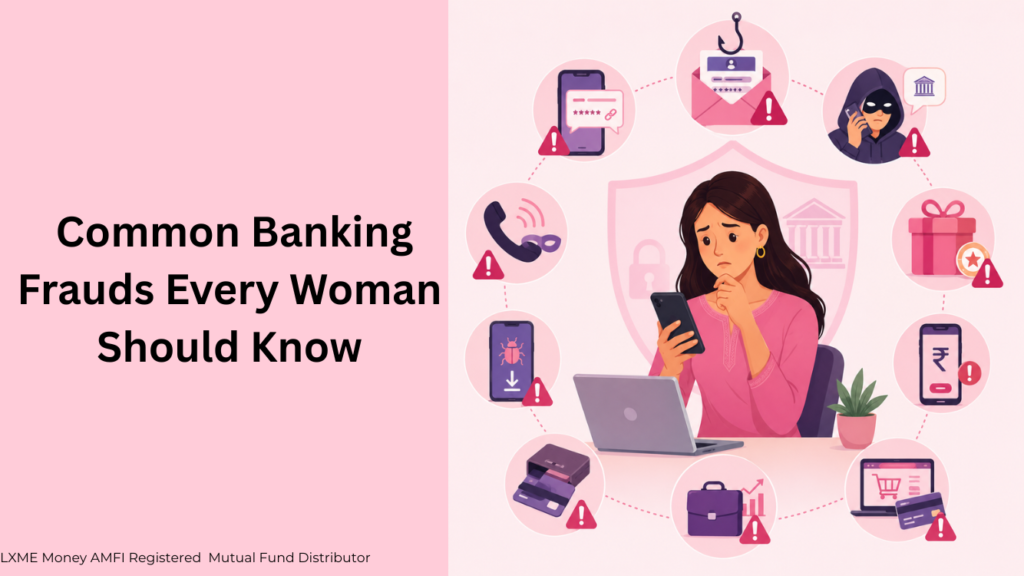
Bank fraud takes many forms, some digital, some disturbingly old-fashioned. Here are the most widespread types you need to know.
- Phishing – Fake emails, texts or links that fool you into entering your login credentials or OTP on a fake site.
- KYC scams – Scammers pretending to be bank staff ask you to “update” your KYC details to steal your personal information.
- ATM skimming – Stealing your card data with hidden devices at ATMs Your card is then duplicated for use in making purchases or withdrawals.
- UPI scams – Fake QR codes or “refund” requests trick you into entering your UPI PIN, draining your account.
- SIM swap – Fraudsters get a duplicate SIM of your number to intercept OTPs and get access to your accounts.
- Cheque fraud – You may be tricked into refunding an overpayment, or funds may be illegally withdrawn using forged, washed or counterfeit cheques.
- P2P payment scams – Impersonators posing as your bank ask you to send money via payments app
- Wire transfer scams – Emergency calls, dating apps, or fake classifieds pressure you into wiring money that vanishes instantly.
How to recognize a scam attempt
- OTP or PIN – If someone asks for your OTP, CVV, or password. It’s a scam. No real bank will ever ask for these details, however urgent it sounds.
- Suspicious links – Always check the link before you click on. Real bank websites have official domains. Red flags are misspelled names, extra characters or shortened URLs:
- False urgency – scammers will press you, “Do it now or your account will be blocked!” This pressure is to make you panic and skip thinking. Wait a second. This is not how real banks work
- Caller ID you trust – A familiar name on your screen doesn’t mean it’s legit. Caller IDs can be faked. If in doubt, hang up and call your bank using the official number on your card or website.
Protect yourself before fraud even starts
The smartest move isn’t reacting fast; it’s building habits that make you harder to target. Here’s a simple checklist:
- Turn on strong security layers – Enable two-factor authentication for your banking apps. If possible, use email or an authenticator app, not just SMS, for that extra layer.
- Stay alert with real-time updates – Activate transaction alerts on both SMS and email. Even if your SIM is compromised, your email can still flag unusual activity.
- Create passwords that actually protect you – Use long, unique passwords (12+ characters) for banking. And never reuse them anywhere else; one leak shouldn’t open every door.
- Check your accounts regularly – A quick scan every few days can help you spot anything unusual early. The faster you catch it, the better your chances of recovering the money.
- Go cardless when you can – Use cardless ATM withdrawals if your bank offers it. No card means nothing for skimmers to copy.
- Dispose of documents carefully – Old bank statements, chequebooks, or bills shouldn’t go straight into the trash. Shred or tear them up to protect your personal information.
What to do immediately after fraud
When it comes to fraud, speed is everything. The faster you act, the better your chances of stopping or recovering your money.
- Call your bank right away – Don’t wait or “watch what happens.” Block your card, account, and net banking access immediately. Ask if any transactions can still be reversed.
- Report it to the cyber helpline – In India, call 1930 (National Cyber Crime Helpline). They can help freeze the trail of money if reported quickly.
- File a police complaint – Register a report as soon as possible. Many banks need this for reimbursement, and it helps protect you if your identity is misused later.
- Keep all proof – Take screenshots of transactions, save messages, note call details, and anything linked to the fraud. This evidence strengthens your case.
- Secure your accounts – Change all passwords immediately, especially if you clicked a suspicious link or shared details. Do this from a safe, trusted device only.
Bank fraud is becoming more sophisticated, but staying informed gives you a strong advantage. The key is awareness, quick action, and building safe habits before anything goes wrong.
FAQs
Can someone hack my bank account without OTP?
Yes, it’s possible but difficult without an OTP; fraud usually requires other vulnerabilities like SIM swap, phishing, malware, or weak passwords.
How can I identify a fake bank call or message?
If the caller or message creates urgency, asks for sensitive details (like OTP, PIN, or passwords), or shares suspicious links, it’s likely a scam. Real banks never request such information.
Are public Wi-Fi networks safe for banking transactions?
No, public Wi-Fi is risky for banking as hackers can intercept your data, so it’s safer to use mobile data or a secure private network.
How can I secure my mobile banking apps?
Secure your mobile banking apps by using strong passwords and biometrics, enabling 2FA, keeping apps updated, avoiding public Wi-Fi, and never sharing OTPs or sensitive details.
Further Read;